
Friday, August 21, 2026
Have you ever looked at a complex mechanical assembly or a stunning dynamic animation and wondered, "Where can this actually be used?" In today's fast-paced industrial landscape, computer-aided design has evolved far beyond basic 2D drafting. By leveraging advanced 3D CAD technology, engineers and product designers can conceptualize, test, and refine intricate designs long before physical manufacturing ever begins.
From Concept to Motion: Animation and Simulation
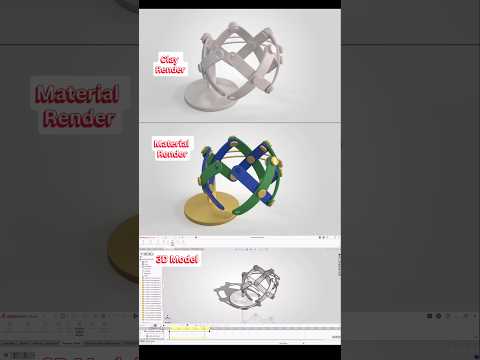
Modern engineering software like SolidWorks does much more than render static models. It empowers creators to run realistic simulations, test structural integrity, analyze stress points, and create smooth mechanism animations.
When you animate a functional design, you aren't just making a visually appealing video—you are validating motion and functionality. Stress testing a virtual prototype helps identify potential mechanical failures, optimize material usage, and drastically reduce physical prototyping costs. Integrating high-performance 3D CAD workflows ensures that every moving component interacts seamlessly, saving valuable time and capital during the product development lifecycle.
Where Can You Apply These Skills?
The ability to design, animate, and simulate dynamic systems opens doors across a wide variety of cutting-edge industries:
- Automotive and Aerospace: Designing high-performance engine components, aerodynamic bodies, and landing gear mechanisms with sub-millimeter precision.
- Robotics and Automation: Modeling robotic arms, automated assembly lines, and kinetic machinery to verify motion paths and prevent mechanical collisions.
- Consumer Electronics: Crafting sleek, durable product enclosures that protect internal components while optimizing user ergonomics.
- Medical Devices: Developing customized prosthetics, surgical tools, and life-saving equipment that require strict safety simulations and compliance.
Embrace the Future of Design
Whether you are an aspiring student, an independent designer, or an experienced engineer, mastering 3D CAD tools unlocks endless possibilities for innovation. As manufacturing standards shift toward virtual testing and digital twins, the ability to blend solid modeling with motion animation and simulation remains one of the most valuable skill sets in modern technology.


