Cad 3D Category

Showing posts with label Optical Illusion. Show all posts

The Secret of the Infinite Chocolate Bar: How 3D Graphics Reveal the Truth

Friday, October 9, 2026
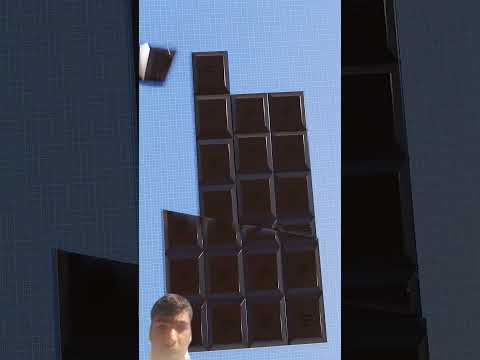
We’ve all seen it—the viral video where a standard chocolate bar is sliced, shifted, and put back together, only for a single square to remain as a "bonus" piece. It seems to defy the laws of physics. How can you have more chocolate than you started with? The answer lies in a clever geometric illusion that is best understood when broken down through the lens of modern 3D graphics.

The Mystery of the Infinite Snack

The infinite chocolate bar trick, often associated with geometric paradoxes, relies on the human eye's inability to track minute changes in surface area. When the bar is cut at a specific diagonal angle, the total area is redistributed. To the naked eye, the bar looks identical to its original state once rearranged, but in reality, a subtle change has occurred. Because the "new" bar looks full, the extra square seems like magic.

Visualizing the Illusion with 3D Graphics

While it is difficult to see the "cheat" with a real chocolate bar on a shaky camera, using high-quality 3D graphics allows us to see the gap that the human eye usually misses. In a digital animation, we can slow down the movement and zoom in on the seams where the pieces meet.

When the pieces are rearranged, a tiny sliver of space is distributed across the entire width of the bar. This missing area is exactly equal to the size of the "extra" square. By utilizing 3D graphics, creators can show the exact measurements, proving that the resulting bar is actually a fraction of a millimeter shorter than the original. It is the perfect marriage of mathematics and digital art.

Why Our Brains Get Fooled

The trick works because our brains prioritize the overall shape (the rectangle) over the exact height or length of the object. We see a completed rectangle and assume it is the same size as the one before. This visual "sleight of hand" is a masterclass in geometry.

The next time you see a video claiming to have found a "glitch in the matrix" with a chocolate bar, remember that it isn't magic—it’s just clever cutting and a bit of mathematical trickery brought to life through the power of animation. While we might not get infinite chocolate in real life, we can certainly enjoy the satisfying way digital tools explain the impossible.

Continue Reading | ความคิดเห็น

Master the Art of Illusion: How to Create a Stunning 3D Space on Paper

Wednesday, October 7, 2026

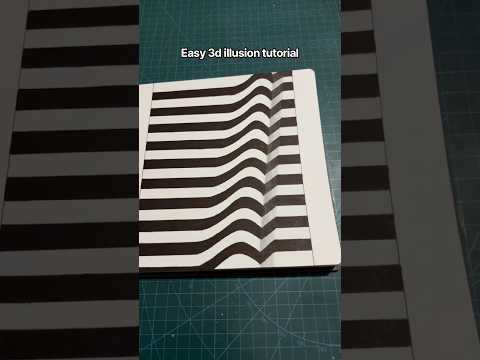
Have you ever stared at a drawing and felt like you could reach right into the page? That is the magic of optical illusions. By using clever lines, geometric patterns, and strategic shading, any artist can transform a flat, two-dimensional surface into a convincing 3D space. Whether you are a seasoned illustrator or a beginner looking for a fun weekend project, mastering the art of 3D illusions is a rewarding way to level up your drawing skills.

The Foundation of Optical Art

The secret to a successful 3D illusion lies in the mathematical precision of geometric art. Unlike traditional sketching, where you might focus on soft curves and organic shapes, 3D illusions rely on perspective. By manipulating lines and angles, you trick the human brain into perceiving depth and volume where none actually exist. This technique allows you to define a 3D space that feels immersive and tangible, even on a standard sheet of paper.

Step-by-Step: Building Your Illusion

To start your journey into the world of optical art, follow these simple phases:

  1. Establish Your Perspective: Begin by drawing light guidelines. Most illusions use a central vanishing point or a series of parallel lines that suggest a hallway or a deep pit.
  2. Define the Geometry: Use a ruler to ensure your lines are crisp. Create repeating shapes—such as squares or triangles—that gradually change in size as they move toward your focal point. This creates the immediate sensation of distance.
  3. Construct the Depth: Connect the corners of your shapes with diagonal lines. This is the critical moment where your drawing begins to transition from a flat pattern into a structured 3D space.

Mastering Contrast and Shading

The final "wow" factor of any 3D drawing comes from high-contrast shading. Most iconic optical illusions utilize a monochrome palette of black and white. By filling in alternating sections with deep black ink, you create a sense of shadow and light.

The areas you leave white will appear to "pop" toward the viewer, while the dark, shaded areas appear to recede into the distance. This push-and-pull effect is what makes the illusion come alive. Don't be afraid to experiment with gradients to make the transitions look even smoother.

Conclusion

Creating 3D art is more than just a drawing exercise; it’s a lesson in how we perceive the world around us. With a bit of patience and practice, you can turn any blank page into a mind-bending masterpiece. Grab your markers and start exploring the infinite possibilities of depth today!

Continue Reading | ความคิดเห็น

Popular Posts Today

 
Support : 3Dcadbrowser | Grabcad | 3Dcontentcentral | D | E | F | G
Copyright © 2028. Engineering 3DCad Appication - All Rights Reserved