
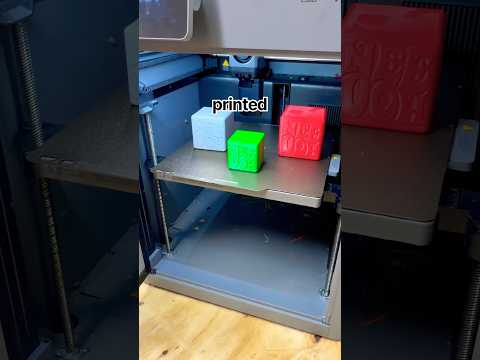
Sensory and fidget toys like NeeDoh have taken the internet by storm, offering immensely satisfying squeezes and tactile stress relief. But did you know you can craft your own custom versions right at home? By combining flexible TPU (Thermoplastic Polyurethane) and rigid PLA (Polylactic Acid), 3D printing enthusiasts are now creating squishy, durable toys that rival store-bought originals.
Designing Custom Fidgets with 3D Software
Before heating up your nozzle, the creation process starts on your computer screen. To achieve the perfect shape, squishy feel, and ideal wall thickness for a NeeDoh-inspired toy, you need intuitive 3D software. Digital modeling tools allow you to craft smooth, ergonomic shapes, while advanced slicing programs let you fine-tune internal support structures. By precisely adjusting wall layers and infill density inside your chosen 3D software, you can customize exactly how soft or resistant your finished print will feel when squeezed.
Combining Flexible TPU and Rigid PLA
The secret to replicating that coveted "buttery" feel lies in smart material selection:
- TPU (Thermoplastic Polyurethane): This flexible, rubber-like filament is the hero material for the body of the toy. It stretches, compresses, and bounces back seamlessly without tearing.
- PLA (Polylactic Acid): Ideal for caps, outer frames, or decorative accents that require rigidity and structural contrast.
Using multi-material systems or multi-extruder printers, you can seamlessly integrate both filaments into a single print, producing a striking combination of hard caps and flexible centers.
Tips for the Perfect Squishy Print
To get that ultra-satisfying tactile feedback without ruining your print, consider these printer settings:
- Lower Your Infill: Aim for 0% to 10% infill—patterns like Gyroid or Concentric work exceptionally well for flexible squeeze toys.
- Control Wall Perimeter: Keep wall loops between 2 and 3 layers so the TPU stays flexible while remaining strong enough to handle repeated squishing.
- Slow Down Print Speeds: Flexible filaments print best at lower speeds (around 20–40 mm/s) to prevent feeding issues in the extruder.
Start Printing Your Own Toys Today
3D printing custom NeeDoh stress toys is a fun, rewarding project that merges digital art with tangible play. With the right materials and flexible 3D software, you can quickly turn simple digital shapes into insanely satisfying, stress-relieving physical prints.
