
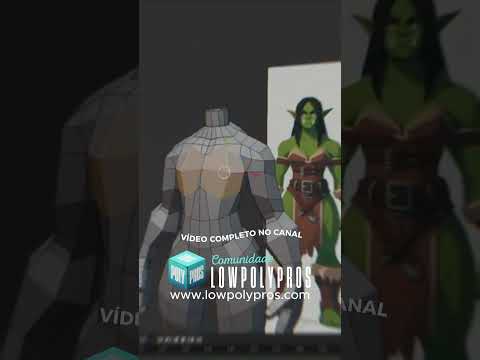
The indie game development scene is booming, creating an insatiable demand for high-quality, ready-to-use game art. If you are a 3D artist looking to turn your digital creations into a sustainable source of income, knowing how to prepare and market your work is essential. Creating a high-quality 3D asset for video games is only half the battle; the real secret lies in optimizing your models for developers.
Here are essential tips to help you successfully sell your 3D models on popular digital marketplaces.
1. Optimize for Real-Time Performance
Game developers prioritize performance and integration ease. A buyer will quickly leave a negative review if your mesh causes lag or requires extensive cleanup. Make sure every 3D asset you list meets standard technical criteria: - Clean Topology: Keep geometry efficient, avoiding unnecessary n-gons and messy edge loops. - Efficient UV Mapping: Maximize texture space usage and place seams strategically to avoid visual artifacts. - Include LODs (Level of Detail): Providing low-polygon variants allows developers to use your model in large, open-world environments without sacrificing frame rates.
2. Master Your Product Presentation
Visual appeal is what drives clicks. A poorly lit preview image will turn potential buyers away, even if the underlying model is technically flawless. - Provide Diverse Render Previews: Include fully lit material renders, clay renders, and clean wireframe views so buyers can inspect your mesh quality. - Showcase Scale and Rigging: If applicable, include a scale reference grid or a short animation preview to demonstrate how the asset behaves in motion. - Write Clear Technical Specifications: Always list vertex counts, texture map resolutions (e.g., 2K, 4K), and available file formats like FBX, OBJ, or GLTF.
3. Target the Right Marketplaces
Do not restrict your work to a single site. Distributing your 3D asset across multiple popular platforms—such as the Unity Asset Store, Unreal Engine Marketplace, CGTrader, and TurboSquid—maximizes your visibility and potential revenue streams.
Final Thoughts
Selling game assets is a continuous learning process. By focusing on clean optimization, transparent technical descriptions, and professional visual previews, you can build a reliable catalog that game developers will return to time and time again.
