
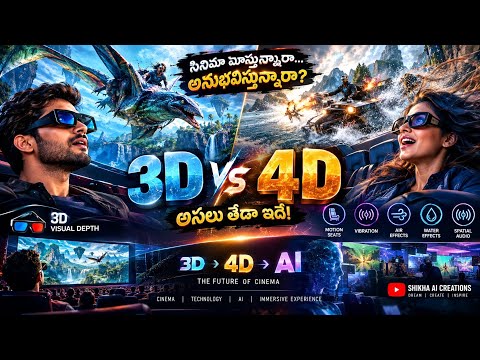
Have you ever sat in a movie theater and felt like a dragon was flying right toward your face? Or perhaps you’ve felt a sudden gust of wind or the scent of a forest while watching an adventure film? The world of film technology is evolving rapidly, moving far beyond the flat images of the past. Today, the debate often centers on the immersive qualities of Cinema 4D 3D experiences and how they differ from traditional formats.
The Visual Depth of 3D Cinema
At its core, 3D (Three-Dimensional) cinema is all about visual depth. By using specialized cameras and polarized glasses, filmmakers can trick our brains into perceiving depth on a flat screen. In a 3D movie, objects appear to pop out of the screen or recede into the distance, making the environment feel much more "real" than a standard 2D show. It focuses entirely on your sense of sight, creating a window into another world that feels like you could reach out and touch it.
The Sensory Explosion of 4D
While 3D focuses on what you see, 4D takes things several steps further by involving your other senses. A 4D experience is essentially a 3D movie enhanced with physical environmental effects. When we talk about Cinema 4D 3D technology, we are referring to the synchronization of the high-definition 3D visuals with high-tech theater seats and atmospheric effects.
In a 4D theater, your seat might tilt, vibrate, or lunge forward during a high-speed car chase. If a character on screen is caught in a rainstorm, you might feel a light mist of water or a cool breeze. Some theaters even include "scent-ography," where specific smells are released to match the scene on screen.
Cinema 4D 3D: Which Experience is Right for You?
Choosing between these two depends on what kind of moviegoer you are. If you want to focus deeply on the cinematography and the story with a little extra "pop" to the visuals, 3D is a classic choice. It is immersive without being distracting.
However, if you are looking for a theme-park-style thrill ride, the Cinema 4D 3D format is the ultimate way to watch a blockbuster. It turns a movie from a passive viewing session into an active, physical event. Whether it’s the rumble of an explosion or the spray of ocean water, 4D ensures you aren't just watching the movie—you are living inside it.
As AI and cinema technology continue to merge, the gap between reality and fiction will only get smaller. The next time you head to the box office, consider whether you want to just see the story or feel it in your bones.
